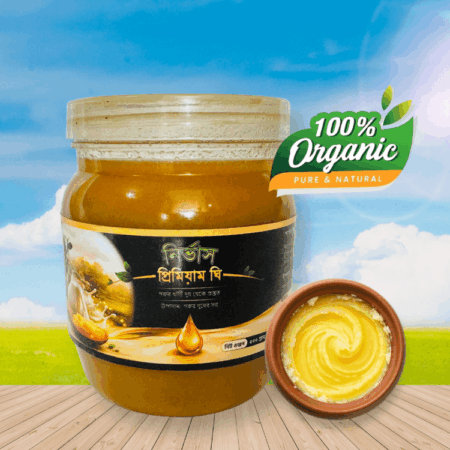


In Bangladeshi kitchens, ghee is more than just a cooking fat, it’s a symbol of tradition, nourishment, and flavor. From drizzling over hot rice and khichuri to adding richness to halwa and polao, ghee has been part of our food culture for generations. But beyond taste and aroma, ghee also offers several health benefits when consumed in moderation.
Here are 10 powerful health benefits of ghee that Bangladeshi families should know.
1. Rich Source of Healthy Fats
Ghee is packed with healthy saturated fats that provide long-lasting energy. In a country like Bangladesh, where rice is the staple food, adding a small spoon of ghee to hot rice can increase satiety and provide sustained energy throughout the day.
Unlike many processed oils, pure homemade ghee contains natural fats without harmful additives.
2. Supports Digestive Health
Ghee contains butyric acid, a short-chain fatty acid that helps improve gut health. Butyric acid supports the lining of the intestines and promotes smooth digestion.
For families who often enjoy spicy curries and fried foods, adding a little ghee can help soothe the digestive tract and reduce acidity.
3. Boosts Immunity
Ghee is rich in fat-soluble vitamins like Vitamin A, D, E, and K, which are essential for a strong immune system. Vitamin A, in particular, plays a vital role in maintaining healthy skin and vision, important for children and elderly family members alike.
In seasonal changes especially during monsoon and winter, ghee can help strengthen the body’s natural defenses.
4. Promotes Healthy Skin
Bangladesh’s humid climate can be harsh on the skin. Ghee contains antioxidants and essential fatty acids that nourish the skin from within.
Traditionally, many households also use ghee externally for dry lips or rough skin during winter. Consuming ghee regularly (in moderation) can promote a natural glow and reduce dryness.
5. Enhances Brain Function
Healthy fats are crucial for brain development and function. For growing children preparing for exams or adults with demanding jobs, ghee can support cognitive performance.
In traditional South Asian dietary practices, including those influenced by Ayurveda, ghee is believed to nourish the brain and improve memory and concentration.
6. Strengthens Bones
Ghee helps in the absorption of calcium due to its Vitamin K content. Proper calcium absorption is essential for maintaining strong bones and teeth.
This is particularly important for:
- Growing children
- Pregnant women
- Elderly parents at risk of osteoporosis
Adding a small amount of ghee to daily meals can contribute to better bone health over time.
7. Good for Heart (When Used Wisely)
There’s a common myth that ghee is bad for the heart. However, research suggests that moderate consumption of pure, high-quality ghee may help increase HDL (good cholesterol).
The key is moderation. Instead of deep-frying foods in large amounts of ghee, use 1–2 teaspoons daily as a finishing touch to meals.
Replacing highly processed trans-fat oils with small quantities of natural ghee can be a healthier choice for Bangladeshi households.
8. Helps with Weight Management
Although ghee is calorie-dense, it can actually support weight management when consumed properly. The healthy fats in ghee increase satiety, reducing unnecessary snacking.
For people trying to avoid frequent street food or packaged snacks, adding ghee to home-cooked meals can help control cravings and keep hunger stable.
9. Lactose-Free Alternative for Many
Many people in Bangladesh experience mild lactose intolerance. The good news is that properly prepared ghee contains very little lactose and casein because milk solids are removed during the clarification process.
This makes ghee a suitable alternative to butter for many individuals who are sensitive to dairy.
10. Enhances Nutrient Absorption
Certain vitamins (A, D, E, K) are fat-soluble, meaning they need fat to be properly absorbed by the body. When you add ghee to vegetable dishes like lau, spinach (palong shak), or mixed vegetables, it helps the body absorb more nutrients.
So that simple drizzle of ghee over your dal or bhaji isn’t just about taste, it actually helps your body use the nutrients more effectively.
How Bangladeshi Families Can Use Ghee Healthily
Here are a few practical tips:
✅ Choose Pure Ghee: Whenever possible, use homemade ghee or buy from trusted local sources to avoid adulteration.
✅ Practice Portion Control: Stick to 1–2 teaspoons per day for adults.
✅ Use as a Finishing Fat: Instead of frying everything in ghee, add it at the end to enhance flavor and nutrition.
✅ Combine with Balanced Diet: Pair ghee with vegetables, lentils, fish, and whole grains for maximum benefit.
Final Thoughts
For Bangladeshi families, ghee is more than a cooking ingredient, it’s part of heritage, hospitality, and wholesome home cooking. When used wisely and in moderation, ghee can:
- Support digestion
- Boost immunity
- Improve brain health
- Strengthen bones
- Enhance overall nutrition
Instead of fearing ghee, the focus should be on quality, quantity, and balance. A small spoon of pure ghee over steaming rice or khichuri can bring both comfort and health benefits to your family’s table.