
Description
🧂 Pink Himalayan Salt – Features, Facts & Uses
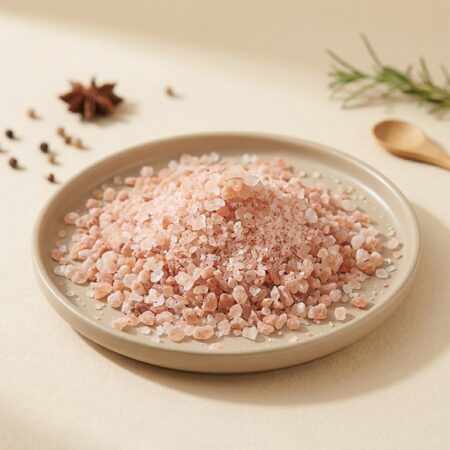
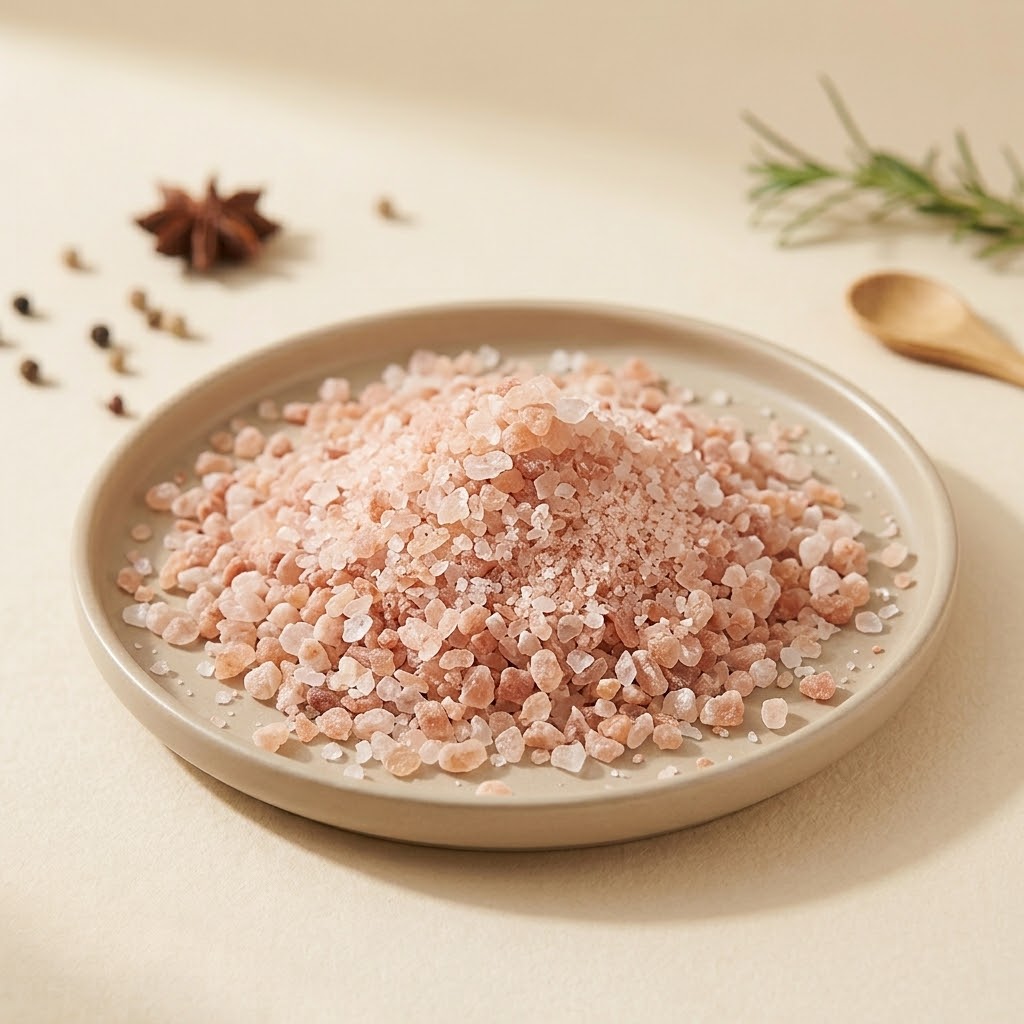
Pink Himalayan Salt is a naturally mined salt known for its distinctive pink color and mineral content. It contains sodium chloride along with trace amounts of minerals such as potassium, magnesium, calcium, and iron. Its minimal processing and natural appearance make it a popular choice for everyday cooking and seasoning.
🌿 Key Features
- Naturally Mined: Pink Himalayan salt is mined from natural salt deposits and typically undergoes less processing than standard table salt.
- Contains Trace Minerals: Small amounts of minerals such as potassium, magnesium, calcium, and iron contribute to its characteristic pink color.
- No Added Iodine: Unlike many iodized table salts, Himalayan salt generally does not contain added iodine.
- Versatile Everyday Use: Ideal for seasoning vegetables, salads, soups, curries, marinades, and a variety of home-cooked dishes.
- Distinctive Appearance: Its natural pink color makes it an attractive addition to both everyday meals and specialty food presentations.
💡 Health Facts
- Similar Sodium Content: Pink Himalayan salt is still primarily sodium chloride, so its sodium content and health considerations are broadly similar to regular salt.
- Trace Minerals: Although it contains several minerals, they occur in very small amounts and should not be considered a significant source of nutrition.
- Hydration: Sodium plays an important role in maintaining fluid and electrolyte balance, but pink salt does not provide superior hydration compared with other types of salt.
- Moderation Matters: Excessive sodium intake can contribute to high blood pressure and may increase strain on the heart and kidneys.
🥄 How to Use
Use Pink Himalayan Salt in moderate amounts as an everyday seasoning for cooking and serving. It can be added to soups, curries, salads, vegetables, marinades, snacks, and other dishes.
⚠️ Helpful Note
Pink Himalayan salt should be consumed in moderation. Since it generally does not provide added iodine, relying exclusively on non-iodized salt may reduce dietary iodine intake. People with high blood pressure or conditions requiring sodium restriction should follow their healthcare professional’s advice.