
Description
Organic Henna Powder (Lawsonia inermis) – Benefits & Uses
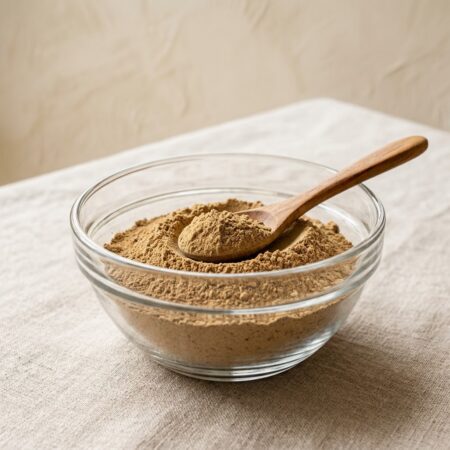
Organic Henna Powder, made from the leaves of Lawsonia inermis, is a natural botanical powder traditionally valued for hair coloring and scalp care. It provides a rich reddish-brown tint while conditioning the hair and supporting a healthy-looking scalp, without the need for synthetic hair dyes such as ammonia or PPD.
🌿 Key Hair & Scalp Benefits
- Natural Hair Dye: Provides a beautiful reddish-brown tint and is a natural alternative to many synthetic hair-coloring products.
- Helps Strengthen Hair: Henna binds naturally to hair proteins and coats the strands, helping improve the appearance and feel of weak or brittle hair.
- Supports Scalp Care: Traditionally valued for its antimicrobial and antifungal properties, henna may help maintain a cleaner, healthier-feeling scalp.
- Helps Manage Oily Scalp: May help balance excess oil and sebum, making it suitable for people with oily scalps.
- Deep Conditioning: Coats the hair shaft and smooths the cuticle, leaving hair feeling softer, shinier, and fuller.
- Improves Hair Appearance: Regular topical use may help reduce the appearance of dryness, split ends, and breakage while giving hair a more voluminous look.
🥄 How to Use
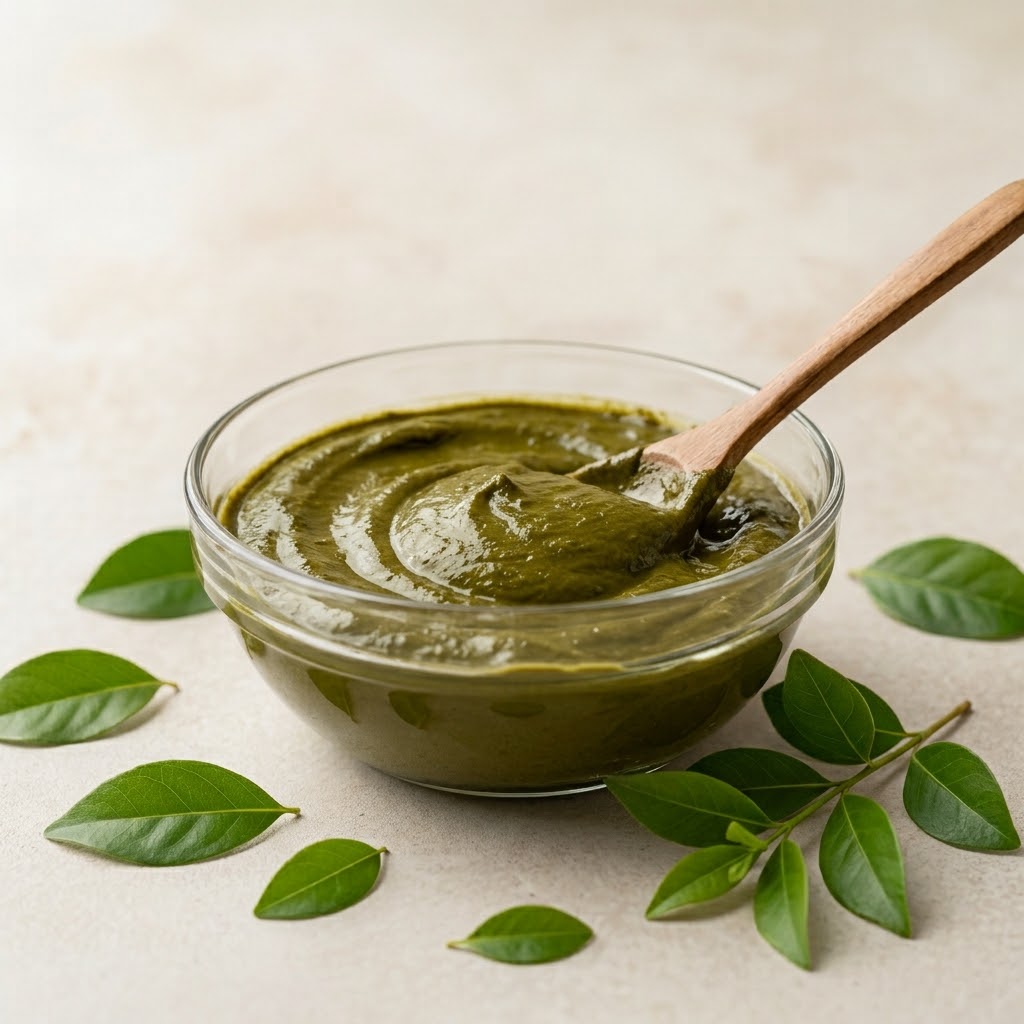
For hair coloring and conditioning, mix Organic Henna Powder with water to create a smooth paste. Allow the paste to rest according to your preferred henna preparation method, then apply evenly to clean hair and leave it on for the desired duration before rinsing thoroughly.
A small patch test is recommended before first use, especially for individuals with sensitive skin.
⚠️ Important Safety Notes
- For External Use Only: Do not consume henna powder. Oral ingestion can cause serious health problems, including severe stomach upset, hemolytic anemia, and kidney complications.
- Choose Pure Henna: Use pure, organic Lawsonia inermis powder. Avoid products marketed as black henna, which may contain PPD and can cause severe allergic skin reactions.
- G6PD Deficiency: Individuals with G6PD deficiency should exercise particular caution and seek medical advice before topical use, especially when skin is broken or damaged.
- Patch Test: Test a small area of skin before applying to the scalp or hair to check for sensitivity or irritation.
- Avoid Broken Skin: Do not apply to cuts, wounds, or irritated areas of the scalp.